Accelerate
Why philanthropic giving?
Philanthropic contributions are essential to accelerate progress and improve outcomes for those diagnosed with cancer. By backing brilliant cancer research through ACRF Accelerate, you are funding entire programs of pioneering cancer research.
What is ACRF Accelerate?
ACRF Accelerate is our structured philanthropic initiative. ACRF Accelerate uses the generous support from people like yourself, willing to make a contribution of at least $5,000. You will be guided by a dedicated relationship manager to back significant life-saving cancer research projects within Australia.

What we fund
Since 1984, ACRF has provided $209.3 million in grant funding to 93 groundbreaking research projects across 44 research institutes in Australia through the generosity of our supporters working together towards a world without cancer.
The ACRF Medical Research Advisory Committee comprises world-renowned scientists and clinicians who ensure only the most deserving of projects are funded. Ultimately this gives you comfort that your donation will result in real, measurable benefits for those diagnosed with or at risk of cancer.
Customised experience and involvement
With a minimum contribution of $5,000 you can select which program to pledge your support to, or you can share your contribution across all projects through ‘untied funding’, in a bespoke approach that best aligns with your wishes.
We’ll keep you informed of progress, but you may want to go a little deeper in your understanding of the research by attending special events and tours. Your dedicated relationship manager will tailor your preferences in line with your wishes.
ACRF’s approach accelerates impact
- ACRF is uniquely positioned to access brilliant researchers and facilitate collaboration across Australia.
- Our focus on equipping researchers with technology and infrastructure is vital to progress and innovation.
- An outstanding independent panel of Australian and international cancer experts recommended funding this project. The research is cutting edge, distinctive, and has the potential for impactful outcomes.
- Projects outcomes will be reported to ACRF for seven years. These typically include scientific breakthroughs, advanced knowledge, publications, new approaches both in the clinic and use of information.
- The impact for people affected by cancer – through earlier detection, new and improved treatments – is better quality of life through the diagnosis, and lives saved. In some cases, research even results in preventing cancer.
- Furthermore, research benefits society – including keeping families and communities intact, reducing healthcare costs and keeping people healthy and productive.
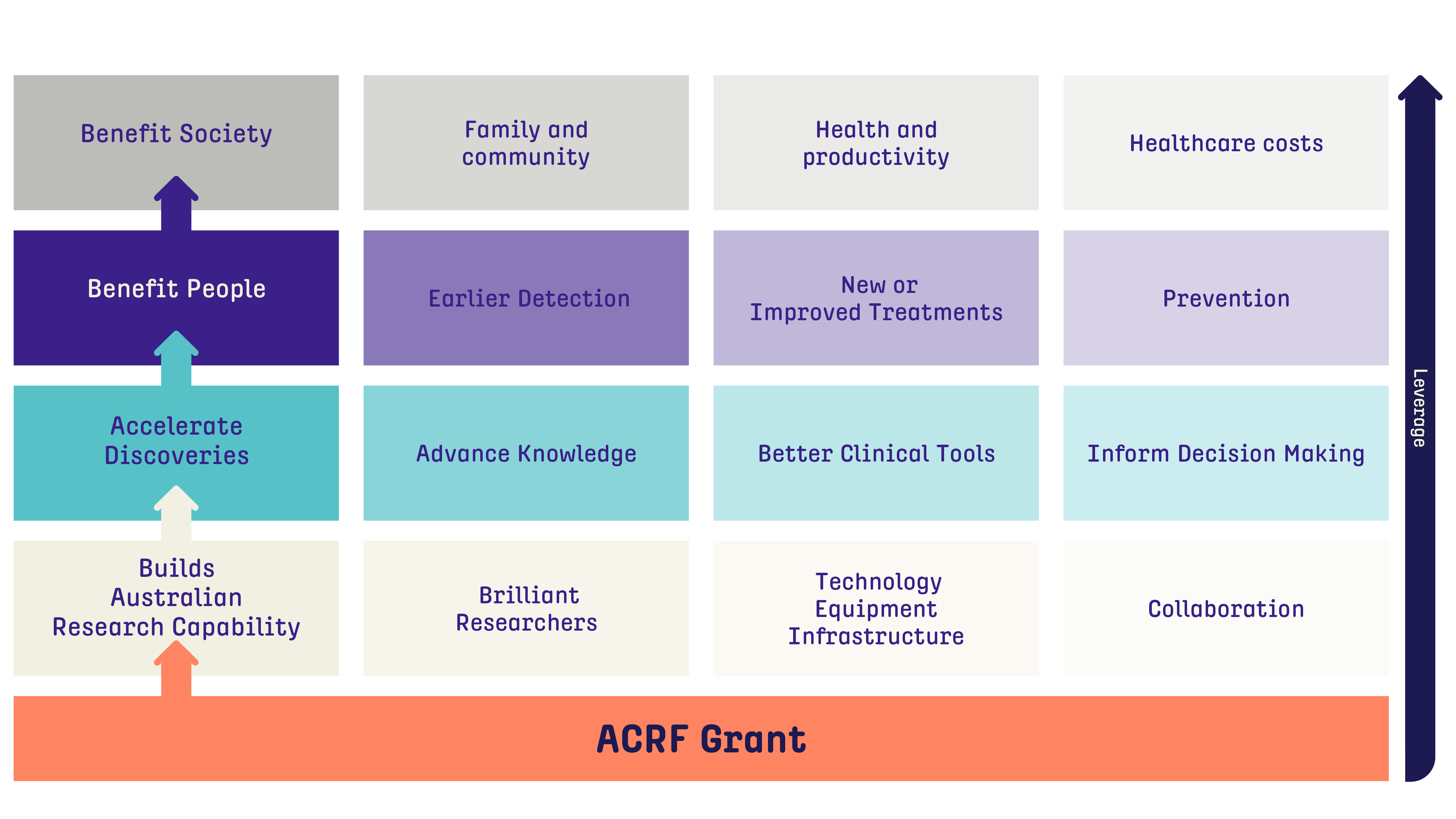
ACRF seed funds remarkable projects and recipients typically leverage the ACRF grant to secure funding from other funding agencies. Reports from 33 grants (2013 – 2023) with an award total of $80 million evidence self-reported leverage to $778 million, a factor of 9.6 times.
Beyond the primary research objectives ACRF funded equipment has been used in the training of numerous new doctors and scientists, and it has played a part in attracting and retaining leading talent in Australia and global acknowledgement of the high quality of Australian cancer research.
Our philanthropic projects for 2026
The ACRF Centre for Mass spectrometry Analysis of Tumour Response In compleX microenvironments
Overview
Through establishing world-leading Australian capability in spatial proteomics mass spectrometry imaging, the ACRF MATRIX Centre aims to reveal how tumour microenvironments evolve during therapy and drive metastatic spread, identifying novel biomarkers and therapeutic targets currently invisible to genomic approaches (DNA sequencing). This national infrastructure will also train and skill early and mid-career researchers across Australia.
Using cutting-edge mass spectrometry imaging technology, researchers will be able to visualise how the tumour microenvironment changes during patient treatment - particularly in samples from patients receiving chemotherapy or immunotherapy. This will allow researchers to identify why some tumours become resistant and others respond. The team will also map the molecular differences between primary tumours and metastatic lesions in different organs, revealing why secondary cancers often behave so differently from the original tumour. These discoveries will help drive the development of new combination therapies.
The flagship projects will focus on pancreatic, breast, prostate, and lung cancers, chosen because of the existing exceptional clinical cohorts. Discoveries will likely inform researchers working in all solid tumours. Importantly, this technology is highly suited to analysing archival patient tumour material, opening up the potential for researchers to study any solid cancer type.
Challenge and Opportunity
Cancer treatment outcomes are often undermined by two critical challenges:
- Therapy resistance driven by dynamic changes in the tumour microenvironment both during and following treatment.
- Metastatic spread to secondary sites that do not respond in the same way as primary tumours due to differences in host tissue.
Despite significant advances in cancer treatments, we still do not fully understand how they work at a biological level, or how cancers sometimes manage to survive and resist treatment. In particular, our understanding of the surrounding environment in which tumours grow is immature. This gap in knowledge limits our ability to fully explain treatment responses and to develop better therapies.
A tumour does not exist on its own — it lives within a complex neighbourhood made up of supporting cells, immune cells, and structural tissues. Cancer cells interact with this ecosystem, and interactions strongly influence how tumours grow, spread, and respond to therapy. How this environment changes over time, how it reacts to therapy, and how it differs between original tumours and those that spread to other parts of the body are important but not well-studied areas of cancer research. To uncover potential vulnerabilities in this tumour microenvironment, we need advanced research technologies and a systemic, multifaceted approach.
ACRF MATRIX will revolutionise our ability to investigate why some cancers resist treatment and spread to other organs. While most cancer research focuses on tumour cells themselves, this centre is investigating the 'neighbourhood' the cancer cells live in – the tumour microenvironment (TME).
Projected impact
Builds Australian Research Capability
Foundational grants from Australian Cancer Research Foundation combine the brightest minds (with proven track records for success) with the boldest ideas and then ensure they have the latest tools to progress their big ideas. With a focus on collaboration, we strive to ensure that recipients maximise the potential with the ACRF grant.
Accelerate Discoveries
An investment in technology and equipment for cancer research provides a vital necessity for progress. Cutting-edge equipment is the key to accelerate research outcomes – including advancing knowledge, providing better clinical tools and methodologies and better informing decision making.
Benefits People
ACRF grants aim to ensure the best potential benefit for patients (across all cancers) - honing earlier detection, innovating across all types of treatment and improving the way we prevent cancer all together - ensuring solutions get to patients faster.
Benefit Society
The effect of a cancer diagnosis extends beyond the patient, from healthcare costs to lost workforce productivity. Families and communities can be devasted by the results of cancer. Therefore, investment and outcomes in research have a flow on benefit to our communities, healthcare systems and society.
Leverage
ACRF seed funding and recognition initiates projects and aids recipients to secure additional funding from other cancer agencies. On average, ACRF grants secure nine time the initial ACRF investment in subsequent funding - meaning that the programs can scale and deliver significant outcomes.
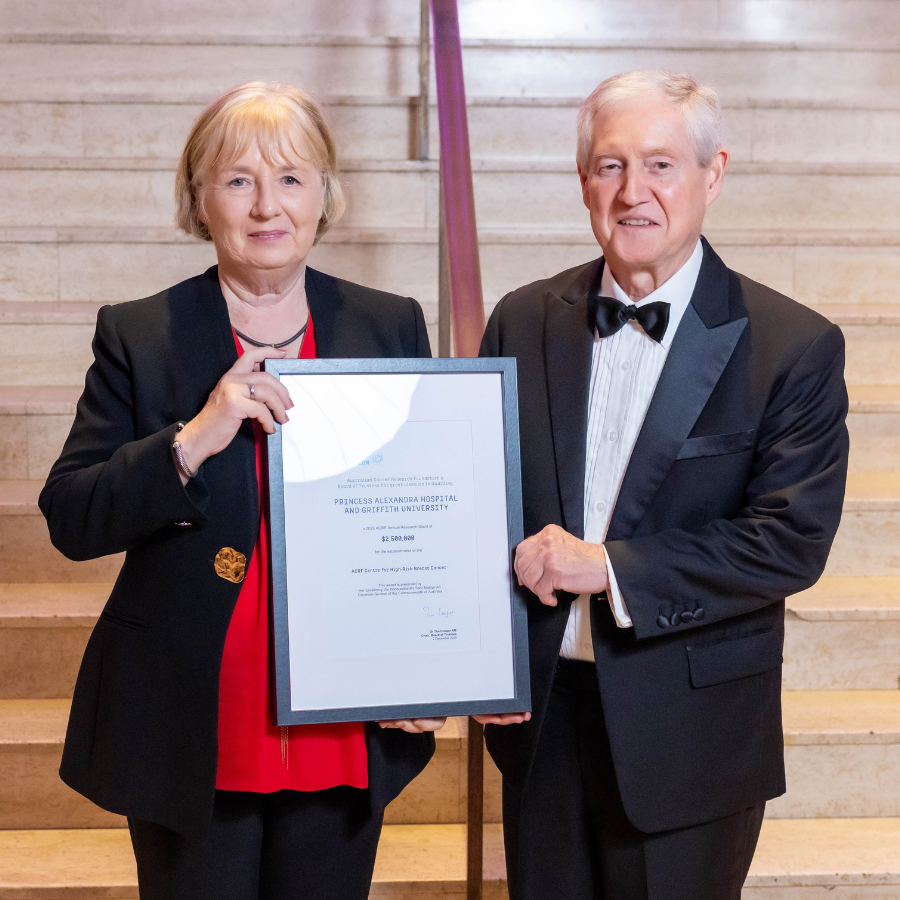
ACRF Centre for High-Risk Breast Cancer
Overview
MRS provides a means of assessing the biochemical changes in a woman’s breast tissue, with results demonstrating that the presence or absence of tumour promoters will more accurately predict their risk for developing a cancer. This essentially provides a real-time risk assessment tool. In this next phase of research, using updated technology in the form of a Magnetic Resonance Imaging (MRI) scanner, breast clinicians will offer women with significant biochemical changes risk-reducing medications and determine whether these medications can slow, stop or reverse the identified biochemical changes in the breast.
The scanner will be installed in the Radiology Suite at the Princess Alexandra Hospital and patients referred from the High-risk Breast Clinics in South East Queensland. Using the new technology these women are identified as having tissue in transition to cancer. Once this evaluation process has commenced, the women become their own control. The challenge to be researched with the new unblinded study is the management of their treatment, which is where the speed of the development is correlated with a range of factors including genetic status, density and menopause.
This ongoing study will further validate existing research data, and ultimately this new technology will provide a woman whose breast demonstrates these in-transition chemical changes the choice of opting for preventative surgery or preventative medications. Going forward, the project team plans to continue the longitudinal trial and add the option of treatment for those women who develop in-transition biochemical changes.
Challenge and Opportunity
A ten-year study of women at high risk for breast cancer which analysed their breast tissue chemistry, correctly predicted those that would develop a cancer - on average four years ahead of current methods. This method of assessing breast tissue biochemical changes utilises a technique referred to as magnetic resonance spectroscopy (MRS) with results to date showing that it can provide a means of identifying women who are at imminent risk of breast cancer development, thus enabling earlier intervention and potential cure.
The state-of-the-art MRS scanner can identify specific lipid-based metabolites in the breast which can predict and herald the evolvement of a breast cancer, allowing clinicians to intervene at an early stage by either introducing risk-reducing medications or undertaking prophylactic surgery.
The MRS technology can also provide an important alternative to contrast enhanced imaging for determining breast density for those women unable to tolerate contrast agents or who store contrast agents in their body.
ACRF funding will provide a world-leading magnetic resonance (MR) scanner that can detect warning chemical changes in breast tissue years before cancer appears. For the thousands of Australian women at high genetic risk of breast cancer, this breakthrough technology has the potential to act as a real-time risk predictor, helping to identify exactly who may be susceptible and who may safely avoid preventative surgery or strong medication.
Projected impact
Builds Australian Research Capability
Foundational grants from Australian Cancer Research Foundation combine the brightest minds (with proven track records for success) with the boldest ideas and then ensure they have the latest tools to progress their big ideas. With a focus on collaboration, we strive to ensure that recipients maximise the potential with the ACRF grant.
Accelerate Discoveries
An investment in technology and equipment for cancer research provides a vital necessity for progress. Cutting-edge equipment is the key to accelerate research outcomes – including advancing knowledge, providing better clinical tools and methodologies and better informing decision making.
Benefits People
ACRF grants aim to ensure the best potential benefit for patients (across all cancers) - honing earlier detection, innovating across all types of treatment and improving the way we prevent cancer all together - ensuring solutions get to patients faster.
Benefit Society
The effect of a cancer diagnosis extends beyond the patient, from healthcare costs to lost workforce productivity. Families and communities can be devasted by the results of cancer. Therefore, investment and outcomes in research have a flow on benefit to our communities, healthcare systems and society.
Leverage
ACRF seed funding and recognition initiates projects and aids recipients to secure additional funding from other cancer agencies. On average, ACRF grants secure nine time the initial ACRF investment in subsequent funding - meaning that the programs can scale and deliver significant outcomes.
ACRF Single Cell Cancer Proteomics Laboratory
Overview
By establishing Australia’s first dedicated single cell cancer proteomics laboratory, the research team will unlock unprecedented insights into how individual cancer and immune cells behave and respond to treatment.
The project brings together a team of top scientists, clinicians, and data experts from The University of Sydney, Royal Prince Alfred and Royal North Shore Hospitals, Garvan Institute, Melanoma Institute Australia, Chris O’Brien Lifehouse and international partners in the US, UK, Africa, and Europe.
The lab will use state-of-the-art equipment to isolate single cells from tumours, measure thousands of proteins in each cell and use advanced computer tools to analyse and share the data.
In the first 3 years the lab will:
- Analyse individual cancer cells from prostate, breast, and melanoma tumours.
- Study immune cells used in therapies, to understand why some treatments work and others fail.
- Combine data from multiple sources (genes, proteins, imaging) to build a complete picture of cancer at the single-cell level.
After the first year the program will start to expand the research to other forms of cancer.
This equipment will empower researchers nationwide to make transformative discoveries in cancer biology and precision medicine.
Challenge and Opportunity
Cancer remains one of the most pressing challenges in healthcare, with its complexity and heterogeneity posing significant obstacles to effective diagnosis and treatment. While advancements in genomics (the study of DNA including genes and their interactions with the environment, structure, function, and evolution) and transcriptomics (the study of the complete set of RNA transcripts) have revolutionised our understanding of cancer biology, the proteins they encode remain the major driver of cancer biology.
Single cell proteomics has emerged as a powerful tool to dissect the molecular landscape of cancers at unparalleled resolution, offering insights into cellular diversity and therapeutic vulnerabilities. The ability to analyse proteins from individual cancer cells, and cancer-associated cells, is incredibly unique and only through significant recent technological development has this capability become available.
This project will build Australia’s first dedicated laboratory for studying cancer at the single-cell protein level using this cutting-edge approach (single cell proteomics). Proteomics is the study of proteins, which are the actual workhorses of cells and play a key role in how cancer behaves and responds to treatment
ACRF Single Cell Cancer Proteomics Laboratory will be Australia’s first, dedicated single-cell cancer proteomics laboratory, establishing a national platform. Until now, researchers have studied cancer by looking at many thousands of cells at once. This revolutionary new laboratory will allow scientists to examine the proteins inside individual cancer cells, and the other normal cells around them.
Projected impact
Builds Australian Research Capability
Foundational grants from Australian Cancer Research Foundation combine the brightest minds (with proven track records for success) with the boldest ideas and then ensure they have the latest tools to progress their big ideas. With a focus on collaboration, we strive to ensure that recipients maximise the potential with the ACRF grant.
Accelerate Discoveries
An investment in technology and equipment for cancer research provides a vital necessity for progress. Cutting-edge equipment is the key to accelerate research outcomes – including advancing knowledge, providing better clinical tools and methodologies and better informing decision making.
Benefits People
ACRF grants aim to ensure the best potential benefit for patients (across all cancers) - honing earlier detection, innovating across all types of treatment and improving the way we prevent cancer all together - ensuring solutions get to patients faster.
Benefit Society
The effect of a cancer diagnosis extends beyond the patient, from healthcare costs to lost workforce productivity. Families and communities can be devasted by the results of cancer. Therefore, investment and outcomes in research have a flow on benefit to our communities, healthcare systems and society.
Leverage
ACRF seed funding and recognition initiates projects and aids recipients to secure additional funding from other cancer agencies. On average, ACRF grants secure nine time the initial ACRF investment in subsequent funding - meaning that the programs can scale and deliver significant outcomes.
ACRF BRAIINSTORM Program
Overview
Overview
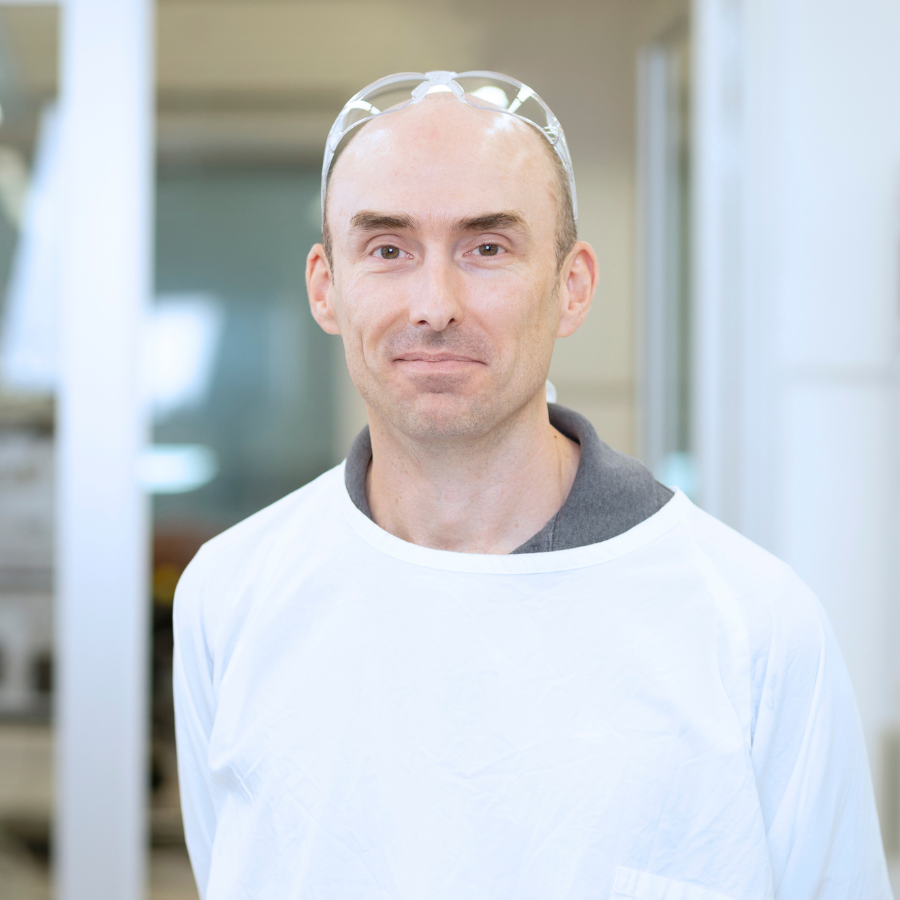
The BRAIINSTORM program is a landmark Australian initiative aiming to accelerate the developmentof new therapies for an aggressive and lethal form of brain cancer: high-grade gliomas (HGGs).
In children, brain cancers remain the leading cause of childhood cancer death in Australia. The most common form of high-grade glioma is diffuse intrinsic pontine glioma (DIPG) – the deadliest tumour type. In adults, glioblastoma accounts for 65% of all brain cancer deaths and remains without effective long-term treatment.
BRAIINSTORM will establish an end-to-end translational pipeline to accelerate the development of innovative therapies for brain cancer by combining cutting-edge technologies – like artificial intelligence and immunotherapy – with discovery science, advanced engineering, and clinical expertise.
BRAIINSTORM stands for BRinging AI and Immunotherapy for Neuro-oncology together; using Screening, Therapies and Omics-based Research Models – a name that reflects its mission to tackle one of the most complex and devastating cancers through collaboration and innovation.
By investing in this cancer research infrastructure, we will establish one of Australia’s most comprehensive translational pipelines for high-grade gliomas which could lead to desperately needed new treatments for the aggressive disease.
This could improve patient outcomes for this notoriously difficult-to-treat cancer, through the development of personalised drugs and cell therapies and establishment of a translational pipeline spanning discovery to first-time-in-human clinical trials.
Challenge and Opportunity
Despite decades of research, high-grade gliomas remain among the deadliest brain cancers, with limited treatment options and survival rates that have barely improved in 20 years. Current technologies have been unable to crack the complexity of these tumours and deliver effective treatments, highlighting how pivotal investments into cutting-edge tools and approaches are for progressing brain cancer research.
By harnessing the latest advances in imaging, cell therapy, and data-driven science, the ACRF BRAIINSTORM Program hopes to reverse the poor survival rates currently seen in high-grade glioma patients and help create a future where patients have access to the personalised treatments needed to better fight this aggressive disease.
BRAIINSTORM stands for BRinging AI and Immunotherapy for Neuro-oncology together, using Screening, Therapies and Omics-based Research Models. This landmark end-to-end translational pipeline will accelerate development of personalised drugs and cell therapies for high-grade gliomas, including diffuse intrinsic pontine glioma (DIPG), the leading cause of childhood cancer death, and glioblastoma in adults, which remains largely incurable and claims 65% of all brain cancer deaths.
Projected impact
Builds Australian Research Capacity
Foundational grants from Australian Cancer Research Foundation combine the brightest minds (with proven track records for success) with the boldest ideas and then ensure they have the latest tools to progress their big ideas. With a focus on collaboration, we strive to ensure that recipients maximise the potential with the ACRF grant.
Accelerate Discoveries
An investment in technology and equipment for cancer research provides a vital necessity for progress. Cutting-edge equipment is the key to accelerate research outcomes – including advancing knowledge, providing better clinical tools and methodologies and better informing decision making.
Benefit People
ACRF grants aim to ensure the best potential benefit for patients (across all cancers) - honing earlier detection, innovating across all types of treatment and improving the way we prevent cancer all together - ensuring solutions get to patients faster.
Benefit Society
The effect of a cancer diagnosis extends beyond the patient, from healthcare costs to lost workforce productivity. Families and communities can be devasted by the results of cancer. Therefore, investment and outcomes in research have a flow on benefit to our communities, healthcare systems and society.
Leverage
ACRF seed funding and recognition initiates projects and aids recipients to secure additional funding from other cancer agencies. On average, ACRF grants secure nine time the initial ACRF investment in subsequent funding - meaning that the programs can scale and deliver significant outcomes.
ACRF Centre of Advanced Imaging-Guided Cancer Therapeutics
Overview
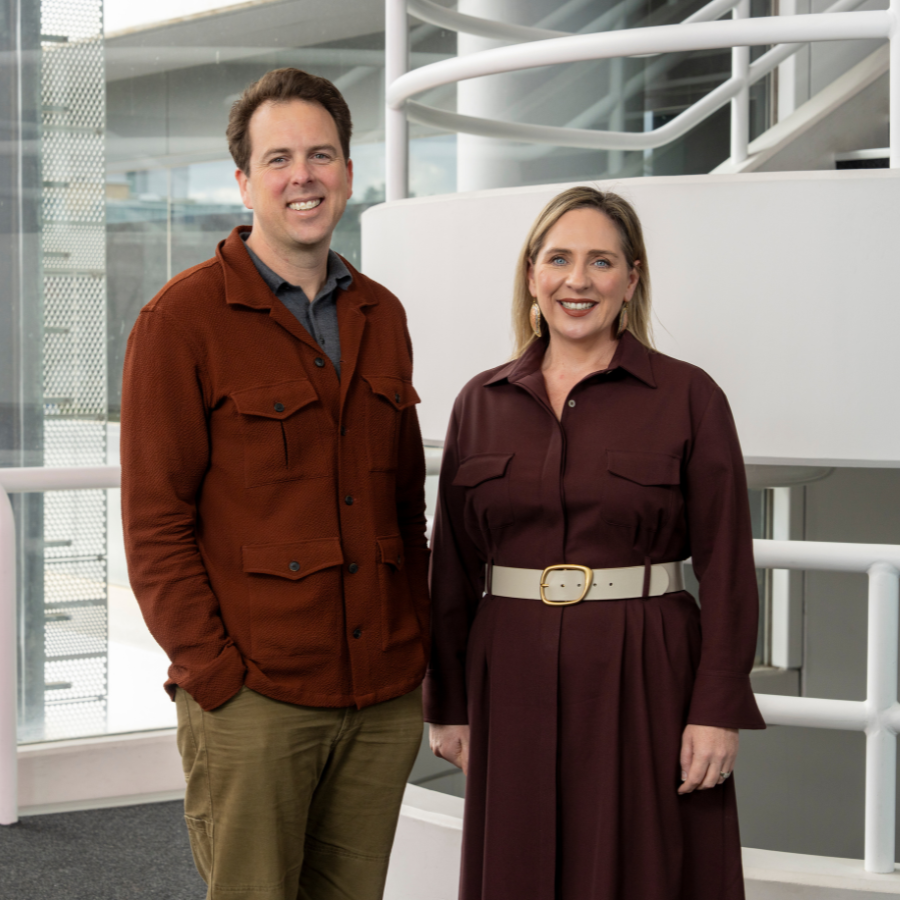
The ACRF Centre for Advanced Imaging-Guided Cancer Therapeutics will spearhead installation of a world-first next-generation Total Body PET/CT, representing a major advance in human scanning, enabling accelerated development of cancer imaging and therapeutics to support prevention, early detection and advanced cancer research programs.
To be installed in 2025, this will be the first GE Healthcare Total Body PET installation in Australia (and likely globally) one year ahead of global commercial availability. This commitment from GE Healthcare represents an unprecedented opportunity for cancer research in Australia, highlighting the outstanding track record of the team that will take full advantage of this novel platform.
The ACRF Centre for Advanced Imaging-Guided Cancer Therapeutics will spearhead installation of a world-first next-generation Total Body PET/CT, representing a major advance in human scanning, enabling accelerated development of cancer imaging and therapeutics to support prevention, early detection and advanced cancer research programs.
Projected impact
Human
- In 2024 it is estimated 169,500 Australians will be diagnosed with cancer and 53,000 will die. Total body imaging using PET/CT provides superior sensitivity and resolution when combined with theranostics and is set to revolutionise cancer treatment and improve the outcomes for people with cancer. The equipment available in the ACRF Centre for Advanced Imaging-Guided Cancer Therapeutics will ensure that Australia is at the forefront of these advances.
- Theranostics has proven to be an effective approach for the treatment of solid tumours such as breast and prostate. In the case of prostate cancer even better outcomes have resulted using whole body scanning to select those patients most likely to benefit. Research undertaken in the ACRF Centre for Advanced Imaging-Guided Cancer Therapeutics will accelerate and expand the application of theranostics and whole-body scanning to other cancers so that a greater number of people can benefit.
Leverage
- Over the last five years, the research team have secured over $100 million in competitive grant funding. The investment in the ACRF Centre for Advanced Imaging-Guided Cancer Therapeutics would significantly strengthen future grant applications and secure additional funding.
- Of the $78B net present gains generated by medical research from 1990 to 2004, $52B was in the form of health gains and $26B in wider economic gains. Extrapolating these figures, the $10M invested by the ACRF has a potential return of $39M - $26M in the form of health gains and $13M in the form of wider economic gains.
- Additional funding totalling $9M will be provided by collaborating organisations including the National Imaging Facility and GE. A further $1.8M will be provided through ACRF’s funding partners further including the Cancer Institute NSW and Ovarian Cancer Research Foundation.
Societal
- The ACRF Centre for Advanced Imaging-Guided Cancer Therapeutics has the potential to reduce the burden on caregivers who, when considering time spent caregiving for loved ones, work absenteeism and presenteeism, experience a 23% work productivity loss because of caregiving. Based on the average Australian wage and taking into consideration the labour force participation and unemployment rate, this accounts for an annual productivity loss of $14,467 per caregiver annually.
- Almost half of Australian adults of working age with cancer are not in the workforce –resulting in a reduction of GDP of around $1.7 Bn. Improved disease management and more effective treatments that will be developed in the ACRF Centre for Advanced Imaging-Guided Cancer Therapeutics has the potential to improve the quality of life for people with cancer including their employment potential.
Intellectual
- Jobs in medical research are high value and knowledge-based jobs that contribute substantially to the economy. The core team alone has the potential to generate significant value added gain.
- One of the most important outputs of the ACRF Centre for Advanced Imaging-Guided Cancer Therapeutics will be publications to inform future research. The $10M invested by ACRF alone has a potential return of 116 publications.
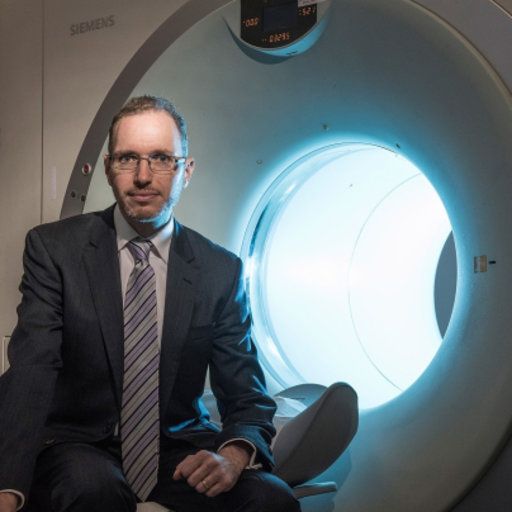
The ACRF Childhood Cancer Early Detection, Prevention and Treatment Program
Overview
Once a child’s tumour has progressed to metastatic disease, it is extremely challenging to achieve a durable and complete response. The simple truth is that if we are to prevent children from dying from cancer, we need to prevent them from progressing to that stage. This means we must get better at diagnosing and monitoring children who have a risk of developing cancer. We must detect cancer earlier. For those who present with cancer, we need to provide comprehensive, evidence-based treatment guidance at the earliest stages of disease to prevent disease progression. And for those who present with, or progress to high-risk disease, we need a new arsenal of therapies that target known drivers of childhood cancer, many of which are currently considered undruggable.
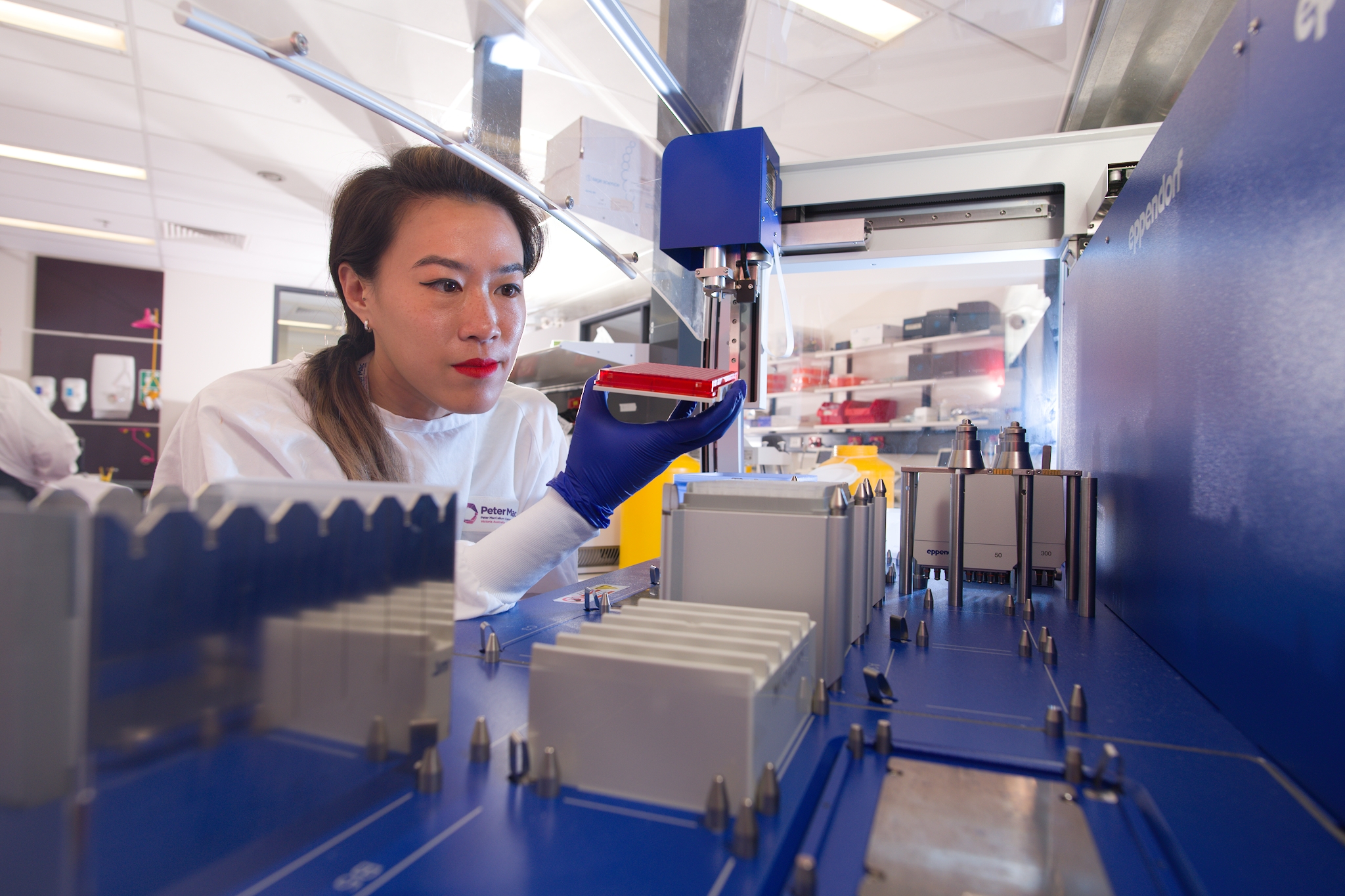
The ACRF Childhood Cancer Early Detection, Prevention and Treatment (ACCEPT) program will provide the underlying infrastructure, combining computational biology, high-throughput-compatible and physiologically relevant preclinical platforms, multifaceted functional assays, and scalable robotics to supercharge the translation of new data into clinical impact and patient benefit.
The ACRF Childhood Cancer Early Detection, Prevention and Treatment (ACCEPT) program will provide the underlying infrastructure, combining computational biology, high-throughput-compatible and physiologically relevant preclinical platforms, multifaceted functional assays, and scalable robotics to supercharge the translation of new data into clinical impact and patient benefit.
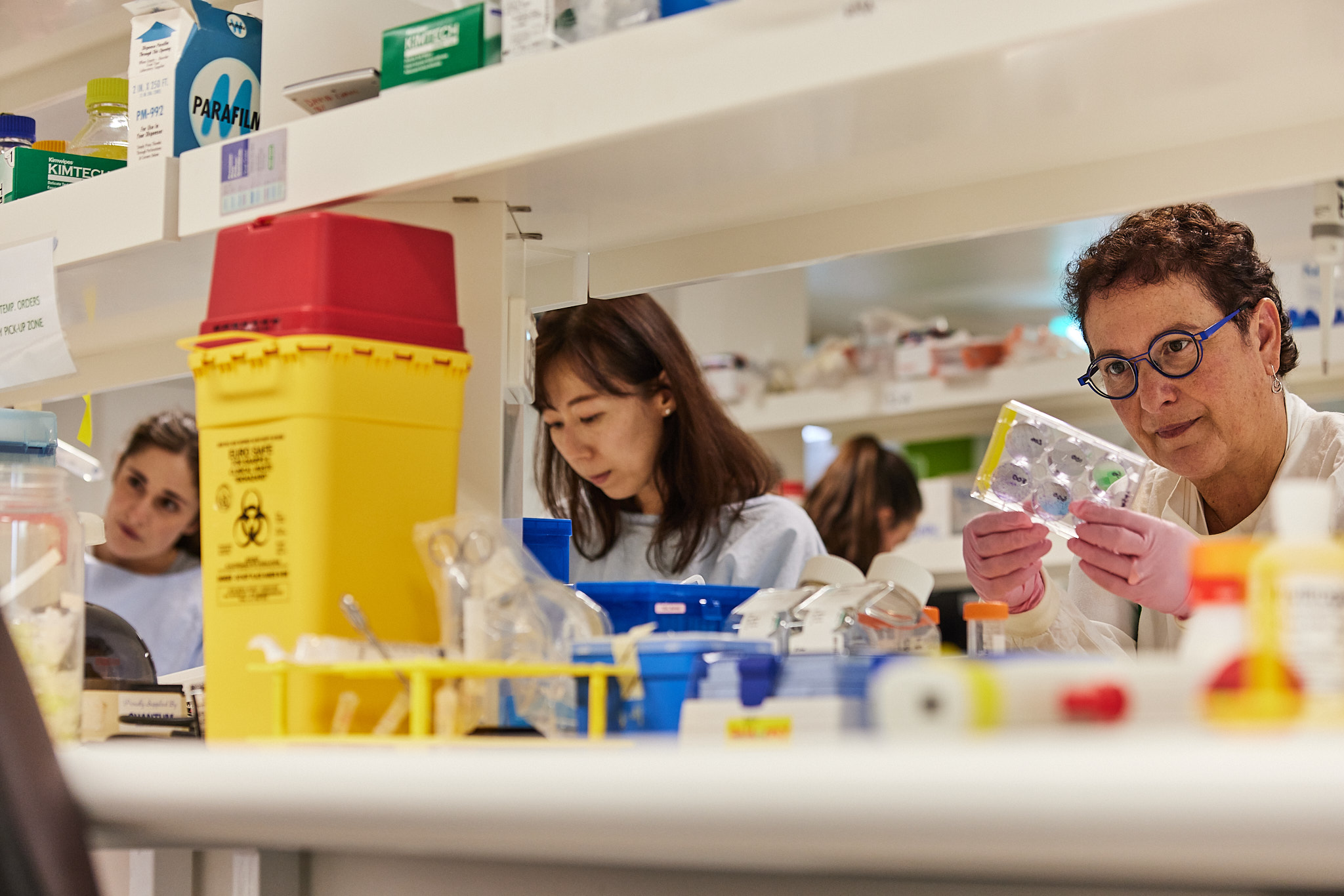
Projected impact
Human
- There has been significant progress in the treatment of paediatric cancers with more than 80% expected to survive into adulthood. Despite this, at least 60% of survivors develop chronic health conditions and up to 80% experience severe or life-threatening complications. The ACRF Centre Early Detection, Prevention and Treatment Program has the potential to transform the long-term outlook for childhood cancer survivors.
- Australian children with cancer now have access to a national precision medicine program (ZERO). The samples, tools and expertise from ZERO alongside locally developed novel technologies will be leveraged by the ACRF Childhood Cancer Centre Early Detection, Prevention and Treatment Program to improve diagnostic tests, guide treatments and develop new drugs and provide a unique opportunity for all children diagnosed with cancer in Australia.
Leverage
- Over the last five years the research team have secured over $135 million in competitive grant funding. The investment in the ACRF Childhood Cancer Centre Early Detection, Prevention and Treatment Program would significantly strengthen future grant applications and secure additional funding.
- Of the $78Bn net present gains generated by medical research from 1990 to 2004, $52Bn was in the form of health gains and $26Bn in wider economic gains5. Extrapolating these figures, the $5M invested by the ACRF Childhood Cancer Centre Early Detection, Prevention and Treatment Program has a potential return of $19.5M - $13M in the form of health gains and $6.5M in the form of wider economic gains.
- Additional funding totalling $2.8 million will be provided by the University of New South Wales ($2.5 million) and the Cancer Institute NSW ($500,000) to support the development of the ACRF Childhood Cancer Centre Early Detection, Prevention and Treatment Program.
Societal
- Adult survivors of childhood cancers are more likely to be in poorer health, need assistance with personal care and routine needs, have work limitations, be unable to work because of health, miss more days of work, and have greater household productivity. The annual productivity loss for adult survivors of childhood cancer is estimated to be $12,000 per person compared with $4,800 per person for individuals without a history of cancer1 The ACRF Childhood Cancer Centre Early Detection, Prevention and Treatment Program has the potential to greatly enhance the long-term outcomes for childhood cancer survivors thereby reducing productivity losses.
- The ACRF Childhood Cancer Centre Early Detection, Prevention and Treatment Program has the potential to reduce the burden on caregivers who, when considering time spent caregiving for loved ones, work absenteeism and presenteeism, experience a 23% work productivity loss because of caregiving. Based on the average Australian wage and taking into consideration the labour force participation and unemployment rate, this accounts for an annual productivity loss of $14,467 per caregiver annually.
Intellectual
- Jobs in medical research are high value, knowledge-based jobs that contribute substantially to the economy. The core team alone (excluding the CI’s) has the potential to generate $375,200 in value added gain.
- One of the most important outputs of the ACRF Childhood Cancer Centre Early Detection, Prevention and Treatment Program will be publications to inform future research. The $5M invested by ACRF alone has a potential return of 58 publications.
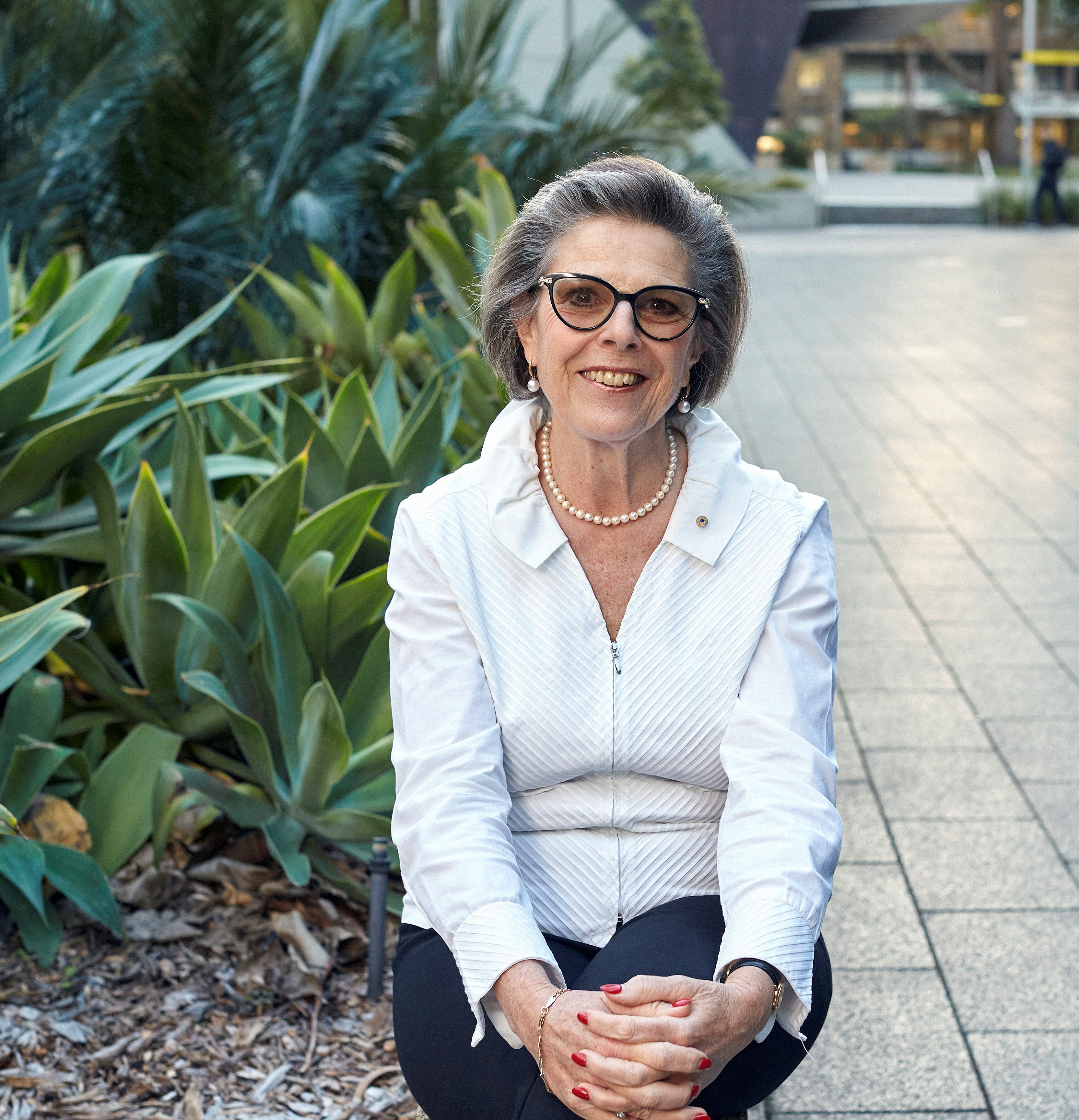
Untied Philanthropy
Overview
All ACRF projects are chosen because they are pioneering, collaborative and robust programs of research leading to better outcomes for people with all types of cancer. If you can’t decide or don’t have a preference for any particular project to direct your support towards, we can spread your donation across all current projects, according to greatest need. By backing all these brilliant projects through an untied philanthropic gift, you are giving Australia’s best researchers access to the latest technology and equipment they need to accelerate towards a world without cancer. Rest assured all projects in the ACRF Accelerate Program are recommended by the ACRF Medical Research Advisory Committee (MRAC) and approved by ACRF’s Board of Trustees.
If you do not have a preference for which project to direct your support to, we can spread your donation across all current projects, according to greatest need.
Projected impact
Human
HUMAN IMPACT includes direct health benefits such as improvements in life expectancy and quality of life. Other indirect human benefits include productivity and financial benefits such as reductions in out-of-pocket healthcare expenditure. All ACRF Accelerate projects must demonstrate Human Impact.
Leverage
LEVERAGE IMPACT includes additional infrastructure, allied and complementary funding or further in-kind support contingent on ACRF support. We aim for 5X grant leverage, which means every dollar of ACRF seed funding invested in cancer research projects by our donors attracts an additional $5 of funding from government and other granting bodies. The prestige of an ACRF grant helps research programs succeed in their long-term objectives.
Societal
SOCIETAL IMPACT includes carers and family, as well as broader society. Potential benefits include reductions in carer burden and the associated changes in productivity.
Intellectual
INTELLECTUAL IMPACT includes new research, medical or scientific jobs and the contribution of these jobs to the institution and the broader economy. Research and knowledge outputs include scientific publications, changes in policy or new technologies and their associated economic impact.

.png?language=en)
Discover the difference you can make
To find out more about ACRF Accelerate, download the full prospectus here.
Chat with us