University of Sydney launches Australia’s new ace against cancer
University unveils ‘Hubble Telescope’ for cancer research, providing an unprecedented view of individual cells with the goal of shedding light into why some cancer cells metastasise and some lay dormant
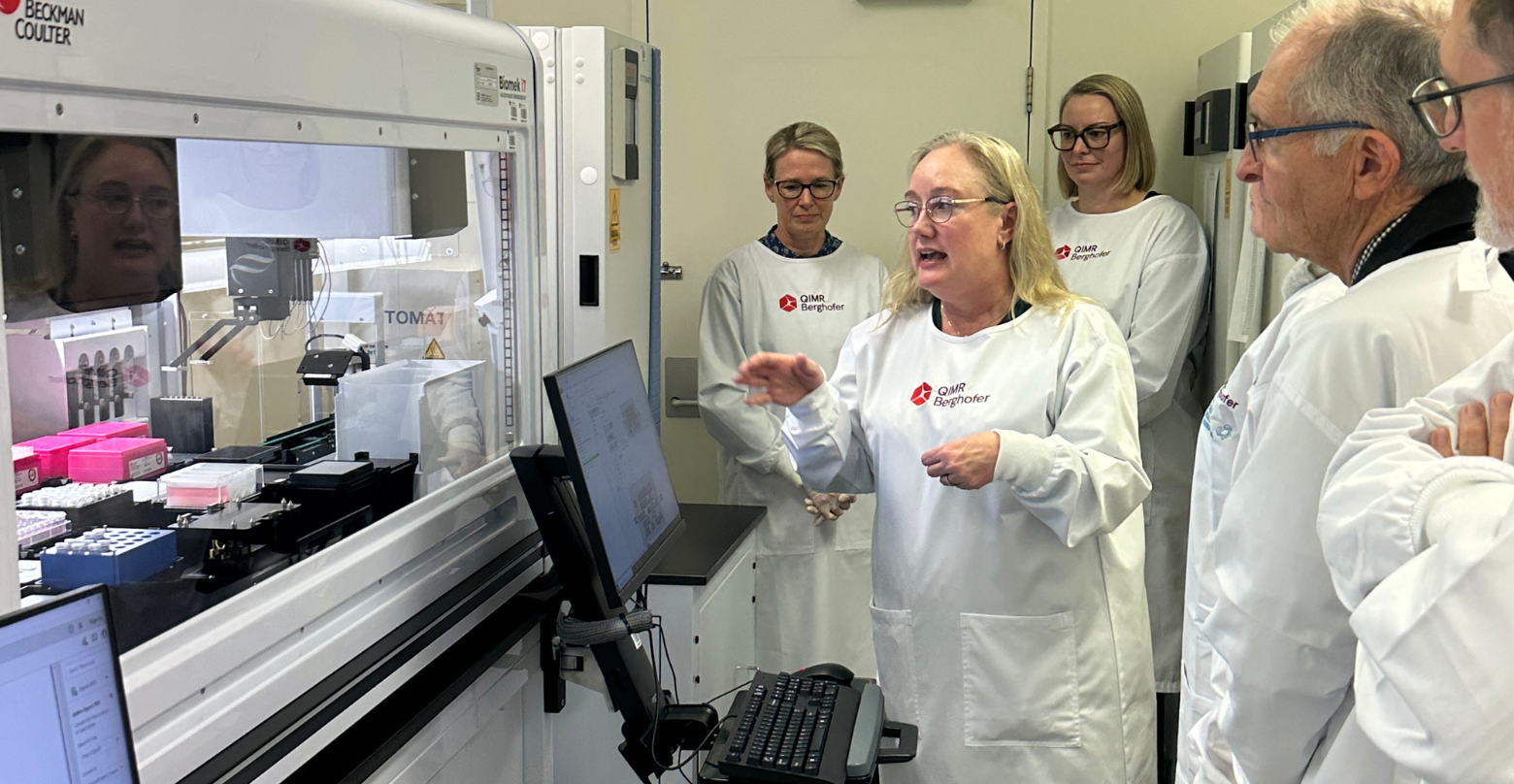
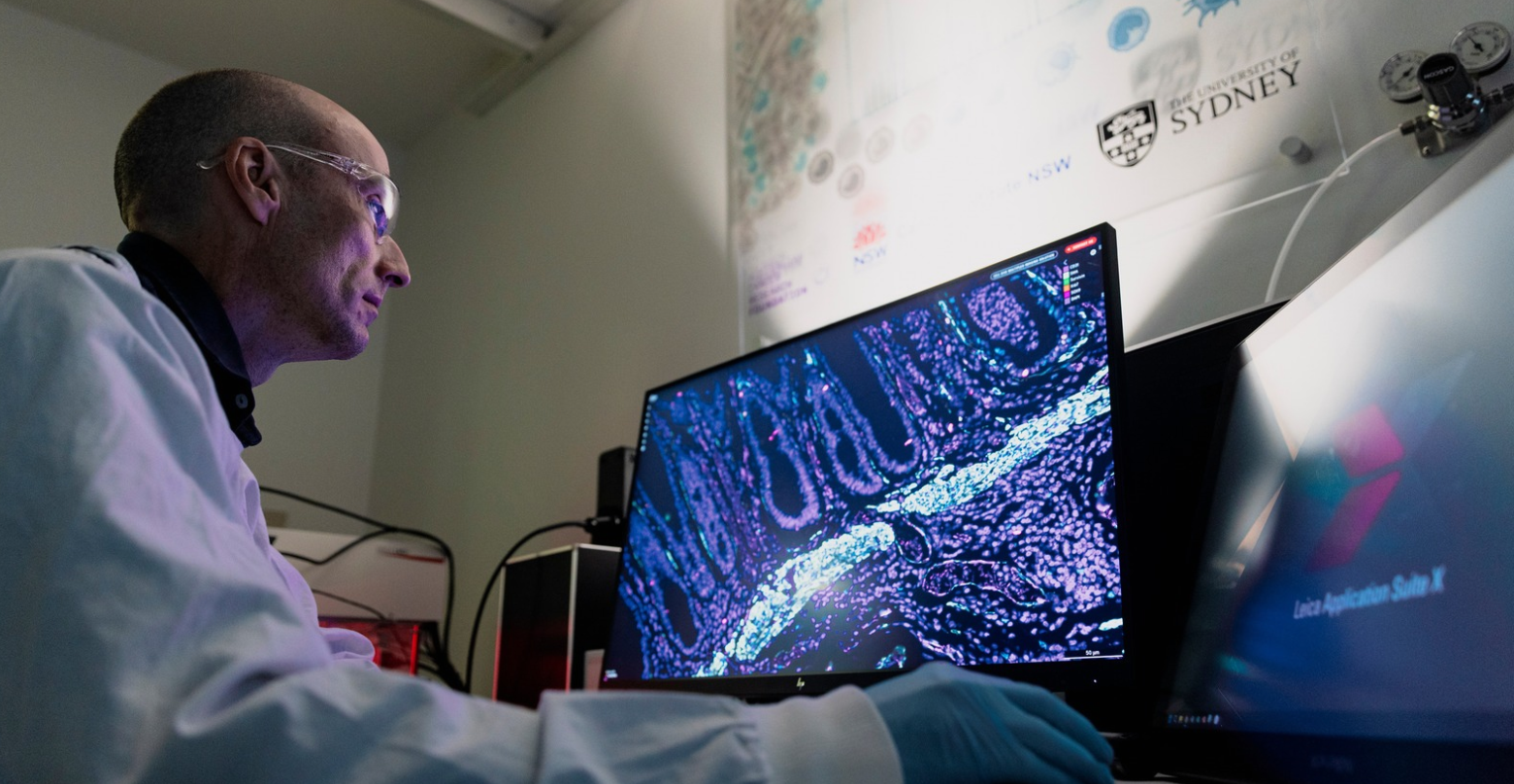
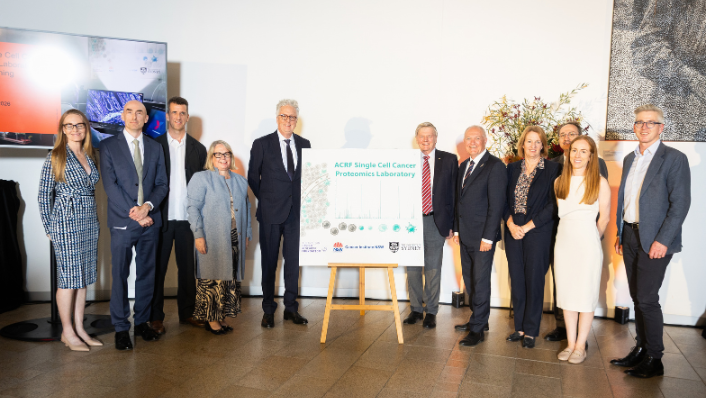
An Australian-first cancer research facility that will allow scientists to examine individual cancer and immune cells in unprecedented detail has officially opened at the University of Sydney, marking a major step forward in tackling persistent and difficult-to-treat cancers. The ACRF Single Cell Cancer Proteomics Laboratory, located within Sydney Mass Spectrometry at the Charles Perkins Centre, brings together cutting-edge technologies to help researchers investigate why some cancer cells survive treatment, go on to regrow and ultimately spread. The facility is Australia’s first dedicated laboratory focused on single-cell cancer proteomics and will be available as a national resource for researchers across Australia. It represents a $4.2 million combined investment from the Australian Cancer Research Foundation and the University of Sydney, with support from the Cancer Institute NSW.
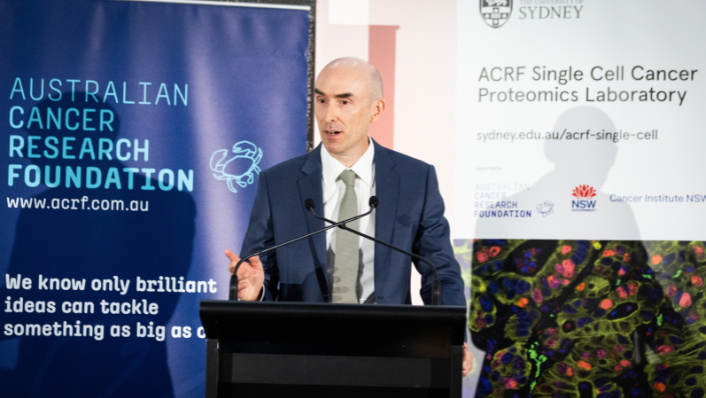
Officially opened by NSW Minister for Medical Research the Hon. David Harris MP, the facility aims to help solve one of the enduring mysteries in cancer research: why some cancers respond to treatment while others persist.
“Thanks to this facility for the first time researchers in Australia will be able to see cancer and immune cells in unprecedented detail which has lifesaving potential for cancer patients.
“This is a powerful example of what can be achieved when philanthropy, government and academia work together which is crucial part to the NSW Government’s research and innovation agenda.”
While chemotherapy can often kill the vast majority of cancer cells, a small population of socalled “persister cells” can survive treatment. These cells can later regrow and, in some cancers, lead to poor prognosis and metastasis. The laboratory’s researchers are using single-cell cancer proteomics, which is the study of individual proteins in each cell, to investigate what makes these cells different. Researchers are heralding this approach as it enables discovery of why some cells are resistant to treatment and others appear benign, in the hope of providing data to create treatments that target the vulnerabilities of drug-resistant cells. University of Sydney Vice-Chancellor and President Professor Mark Scott AO said the facility would strengthen Australia’s ability to tackle one of the nation’s biggest health challenges.
“This facility gives researchers nationwide access to powerful new technologies that can reveal what’s happening inside individual cancer cells, helping us better understand disease and identify new opportunities for treatment.”
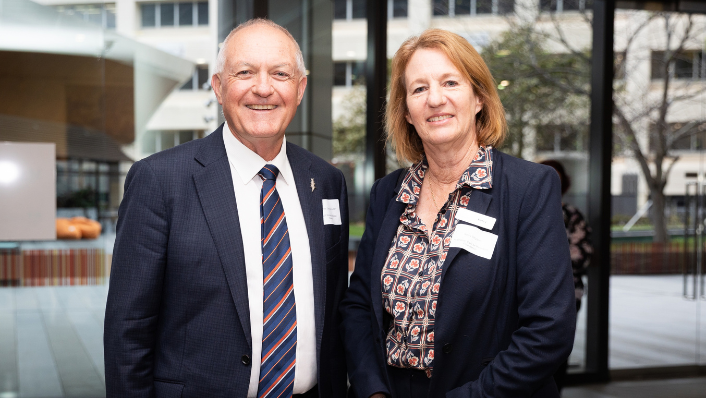
The laboratory is led by Associate Professor Mark Larance from the School of Medical Sciences and the Charles Perkins Centre. “Not all cancer cells are the same, even within the same tumour. Understanding these differences is critical if we want to develop more effective and personalised treatments,” he said.
“Cancer treatment can be thought of as trying to eliminate all cancer cells, but the challenge is understanding the small population of cells that might survive. We want to know what is special about these ‘persister’ cells that just won’t die.”
The centrepiece of the facility is the ACRF-funded Thermo Fisher Scientific Orbitrap Astral Zoom mass spectrometer, which enables researchers to analyse thousands of proteins from individual cells.
"I would describe it as the “Hubble Space Telescope” for looking inside individual cancer cells. This new ability to see these individual cells and understand what is happening inside them gives us a new way of approaching cancer treatment,” said Associate Professor Larance.
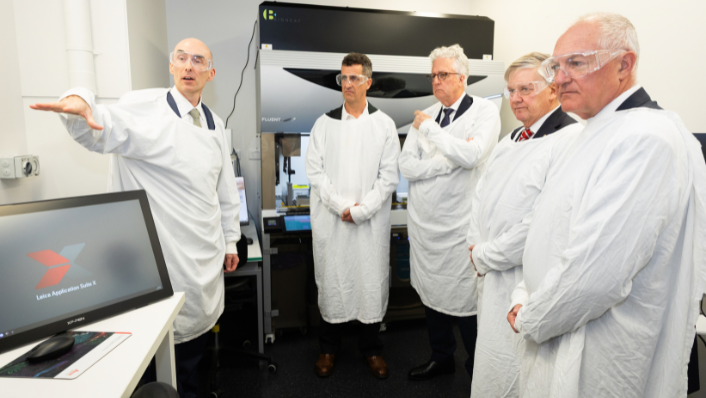
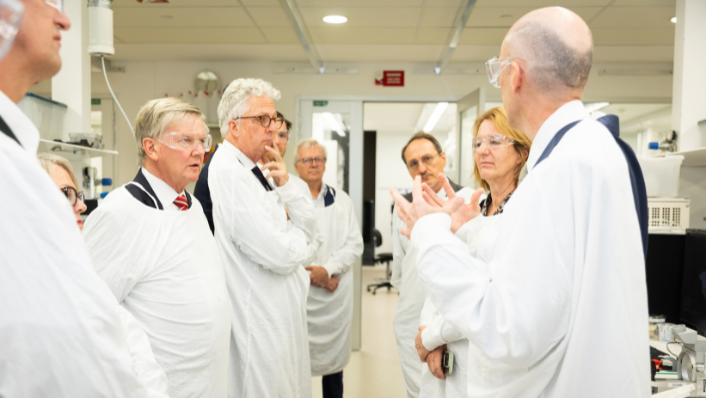
The laboratory will combine leading-edge technologies including a Leica laser capture microdissection microscope, CellenOne Neo single-cell sample preparation system, advanced bioinformatics platforms, and the Orbitrap Astral Zoom Mass Spectrometer dedicated to single-cell cancer research. The researchers will analyse cell lines from a range of cancers, including those stubbornly resistant to treatment such as melanoma and glioblastoma, as well as persistent forms of breast and prostate cancer. ACRF Chief Executive Officer Kerry Strydom said understanding why some cancer cells survive treatment presents opportunity for significant discovery.

The facility brings together expertise spanning cancer biology, immunology, proteomics, genomics, clinical research and data science through collaborations involving researchers from the University of Sydney, Melanoma Institute Australia, Chris O’Brien Lifehouse, NSW Health Pathology and Royal North Shore Hospital. By making the facility available to researchers nationally, the University aims to fast-track Australia’s cancer drug-development capabilities and contribute to establishing Australia as a global leader in understanding and treating persistent and difficult-to-treat cancers.
Related news
Read more.png?language=en)
Internationally renowned hair stylist and social media sensation, Kaine Vakai, joins ACRF to launch the 2026 Brave Shave fundraising campaign
Research offers new hope for people living with rare blood cancers