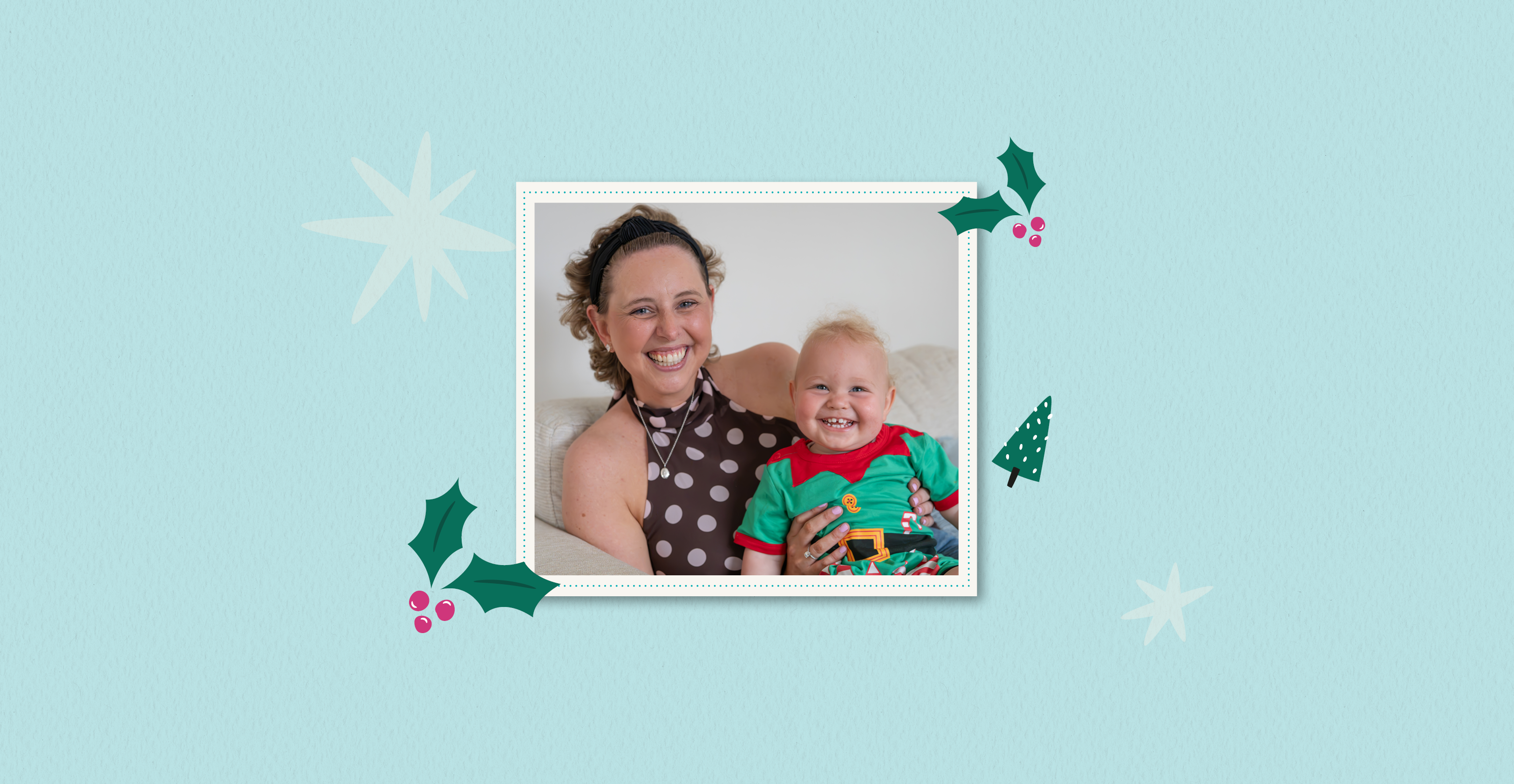
Help women like Sally look forward with more certainty
Donate this festive season
“I went from thinking ‘how will cancer affect my baby?’ to ‘will I die?'" - Sally
Sally was 32 years old, and she and her partner Jack were delighted – Sally was pregnant with their first child.
Just weeks later, Sally was diagnosed with aggressive HER2 positive breast cancer. Worse still, her cancer had already spread to her lymph nodes and doctors ordered an MRI to see if it had spread to other vital organs.
“Jack and I sat in bed for two days and cried,” remembers Sally.
“The MRI was hell, but it showed the cancer hadn’t spread further. I never thought I’d be thankful to hear I had only stage three cancer. I thought, ‘hopefully that means we can keep our baby and my life.’"
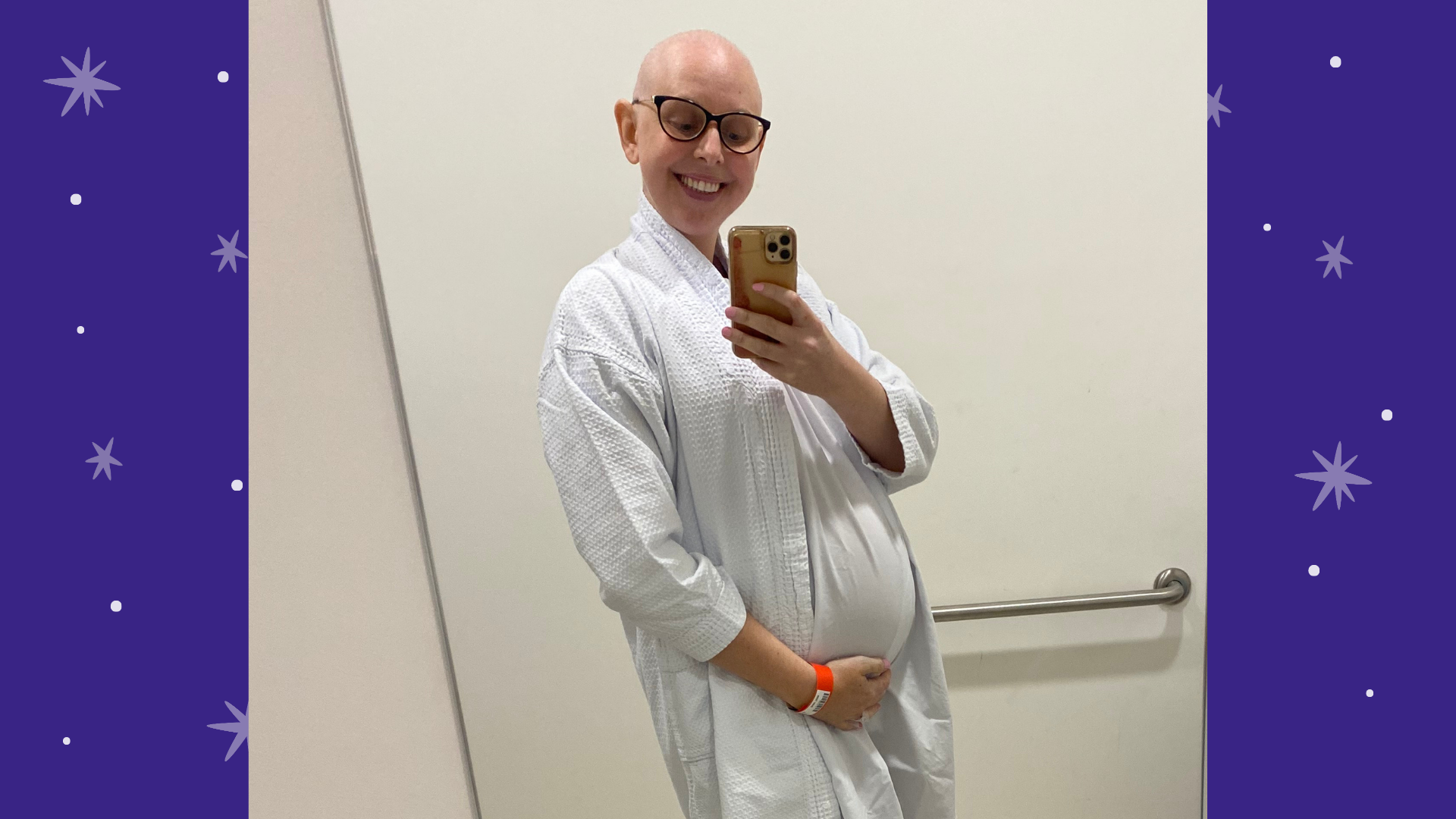
Breast cancer meant Sally faced some truly awful decisions. She needed intensive treatment to give herself the best chance of survival – but treatment was a risk to her baby.
Sally chose to delay immunotherapy – even though it could improve her chances of survival. She chose to endure post-surgery recovery with little to no painkillers to protect her baby. She chose to go through chemotherapy in her last 14 weeks of pregnancy because she wanted the best chance of seeing her son grow up.
No matter what she chose, there was still no certainty. It was too late for that. Sally had no way to see this coming, and very little control over the outcomes for herself and her unborn son.
Watch Sally and Louie's story here
Sally's Christmas wishes for her son Louie 💜
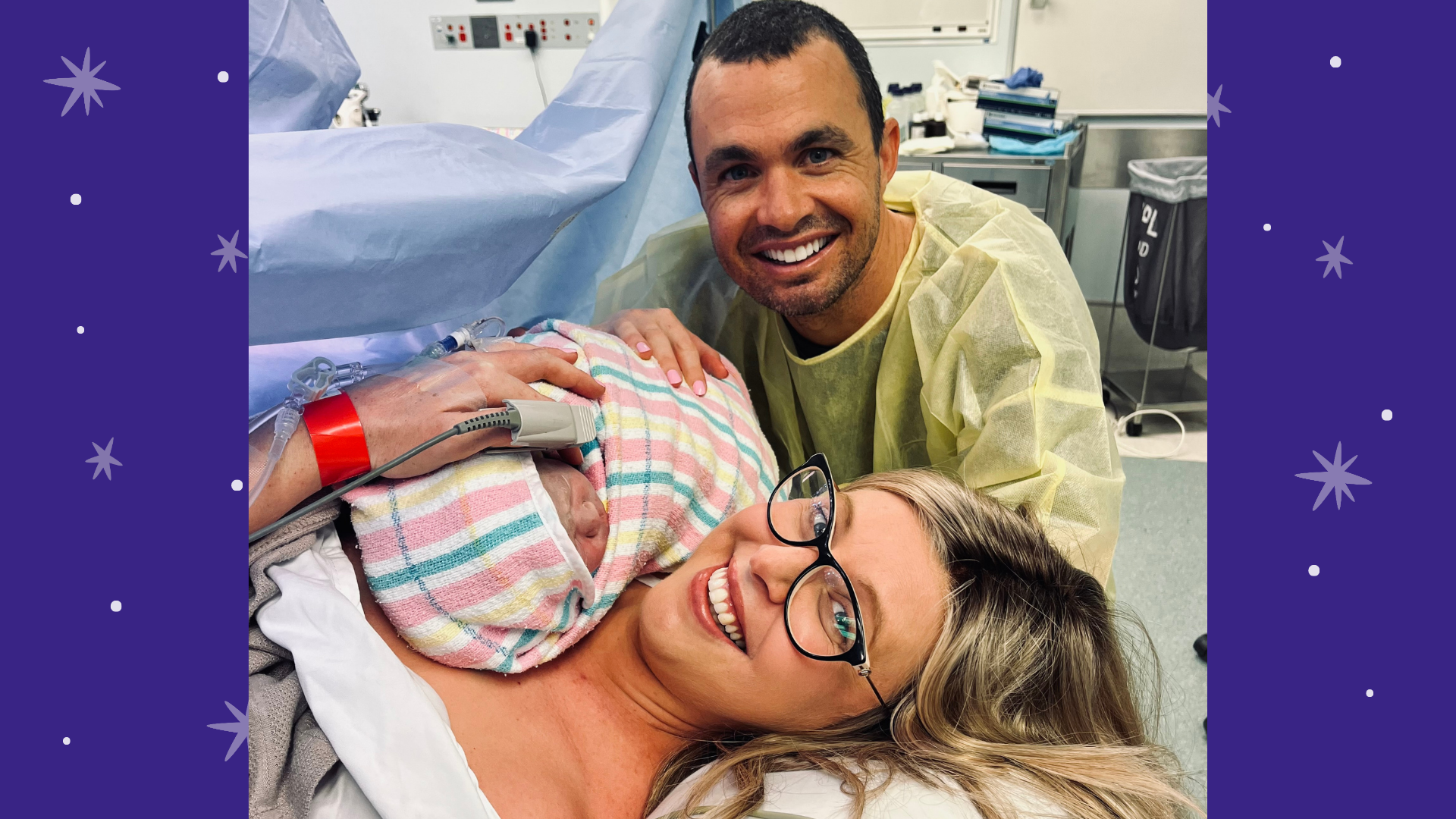
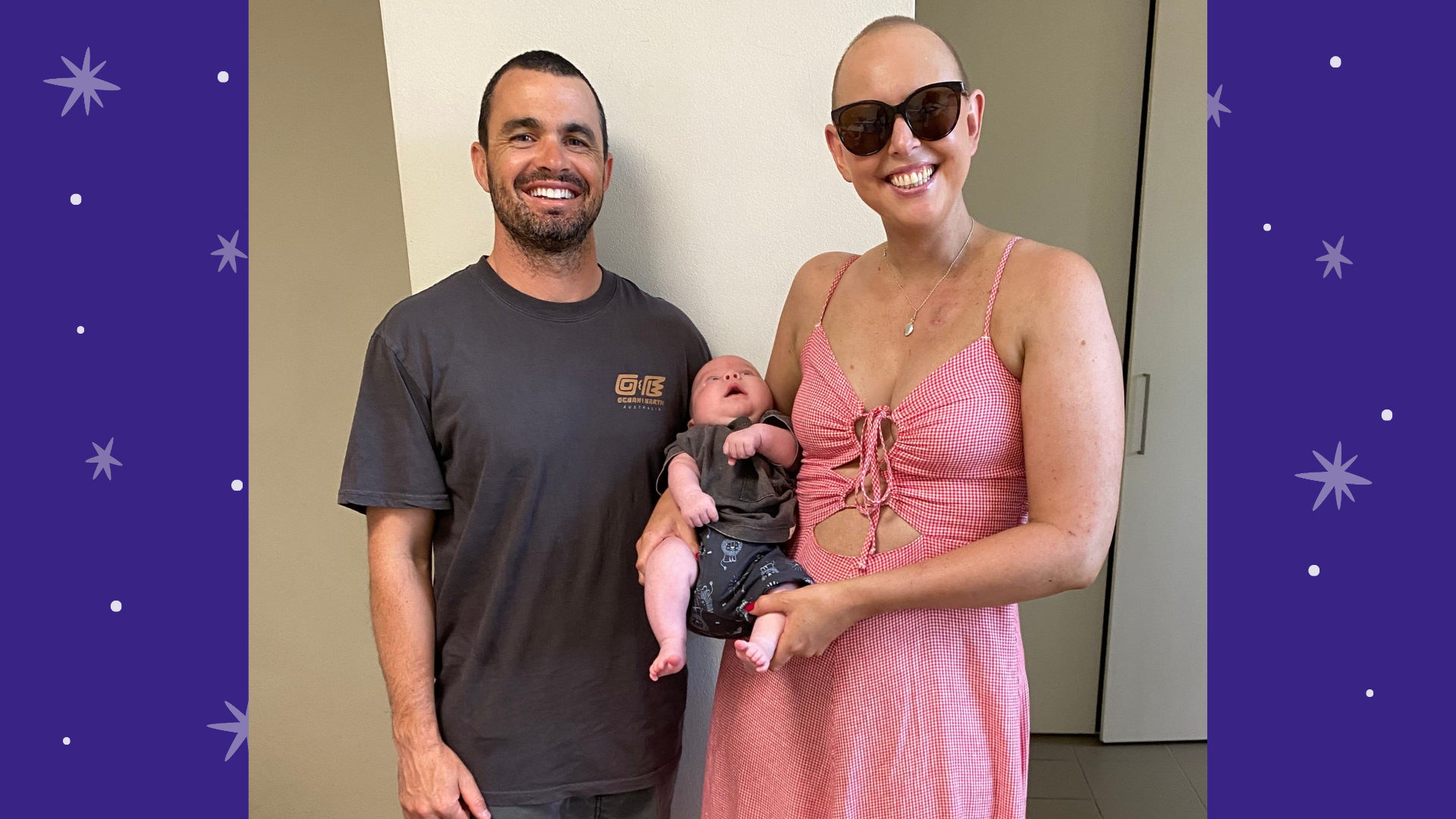
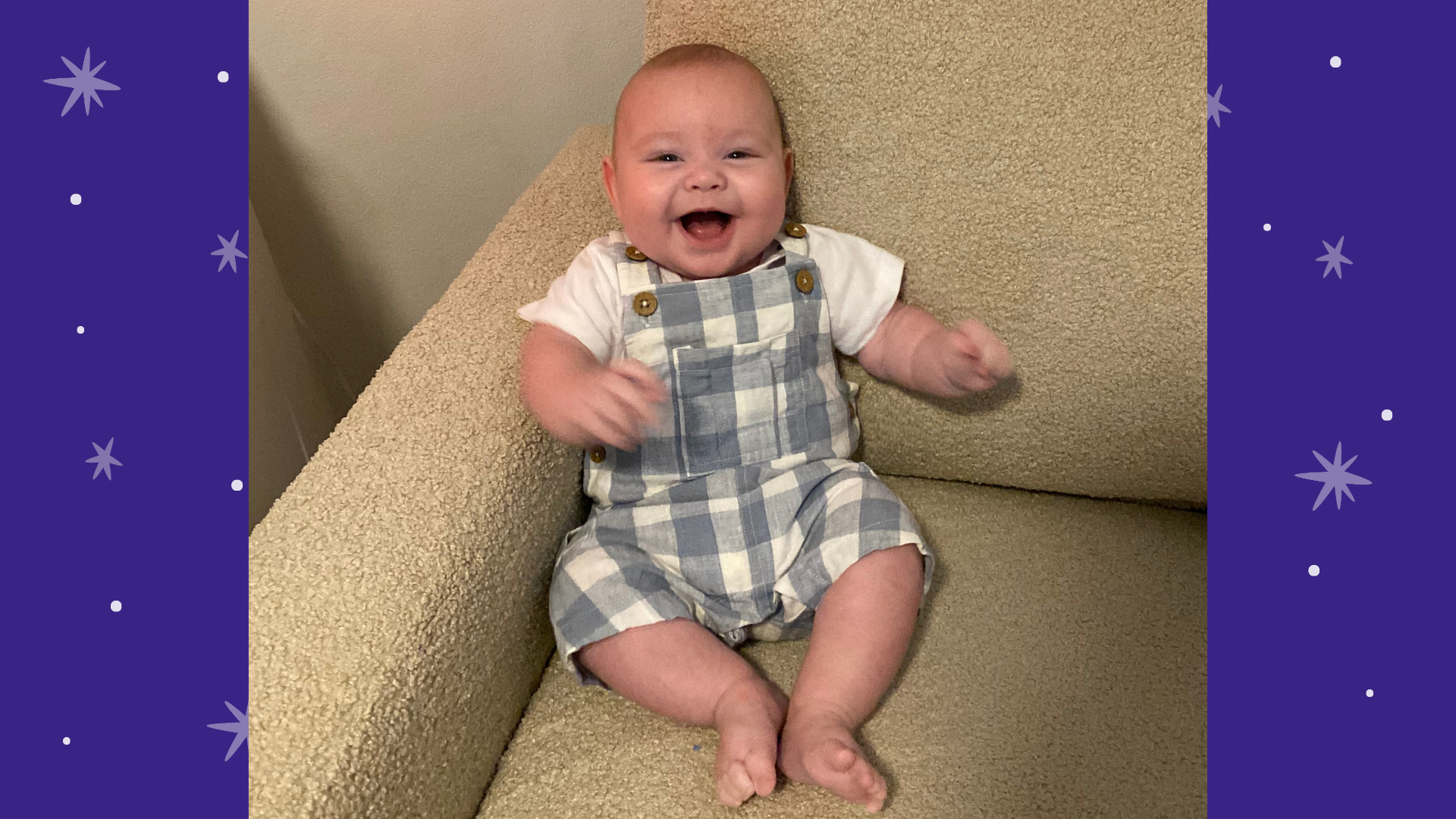

"Every Christmas with Louie is a blessing"
"But I wish neither of us had to go through so much to be here.
I hope you’ll support cancer research, to give families like mine a better future to look forward to." - Sally.
How can you help researchers change the future for women at high risk of breast cancer?

The background
The breakthrough

The difference you can make
This scanner can help predict a woman’s breast cancer future
The magnetic resonance spectroscopy (MRS) technology is game-changing for all women. Those women who are proactive or worried, those who have an issue identified and those at high risk. The scan can inform at a time when an intervention can make a difference.
The non-invasive scan captures the earliest biochemical changes that occur prior to sufficient breast cancer cells present to be seen by current methods. The scan takes 15-20 minutes to collect. The data analysis takes less than five minutes in the cloud with almost-instant results.
By the time a woman steps out of the scanner, her doctor could have a report that is indicative of a cancer developing, if so how far it is along, or shows no changes in her chemistry.
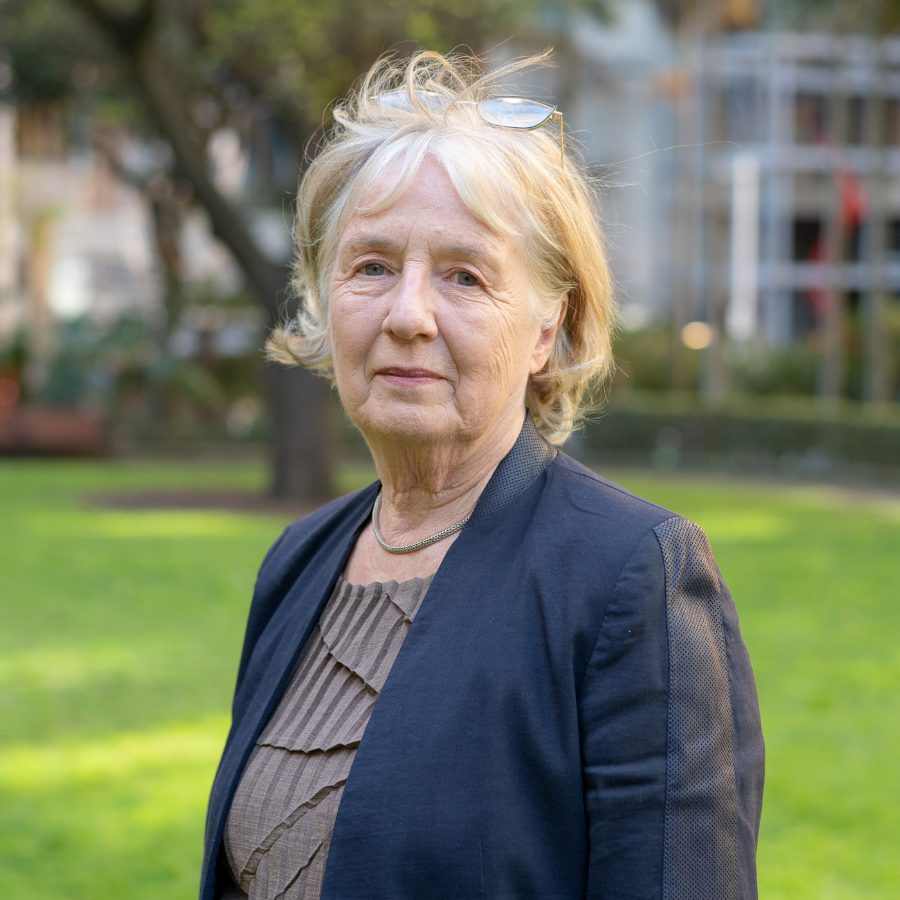
Earlier breast cancer detection: Professor Carolyn Mountford’s research
Professor Carolyn Mountford is researching ways to identify the changes linked to breast cancer before a tumour appears. Hear how ACRF support has helped advance her work, and why continued investment in research technology matters.
The next step for Carolyn and her team at the ACRF Centre for High-Risk Breast Cancer is to make this technology accessible to more women.
You could help fund an advanced MRS scanner, and the technology to connect it to hospitals all over Australia. Very early detection can give women like Sally a better chance of surviving their breast cancer, and more control over their futures.